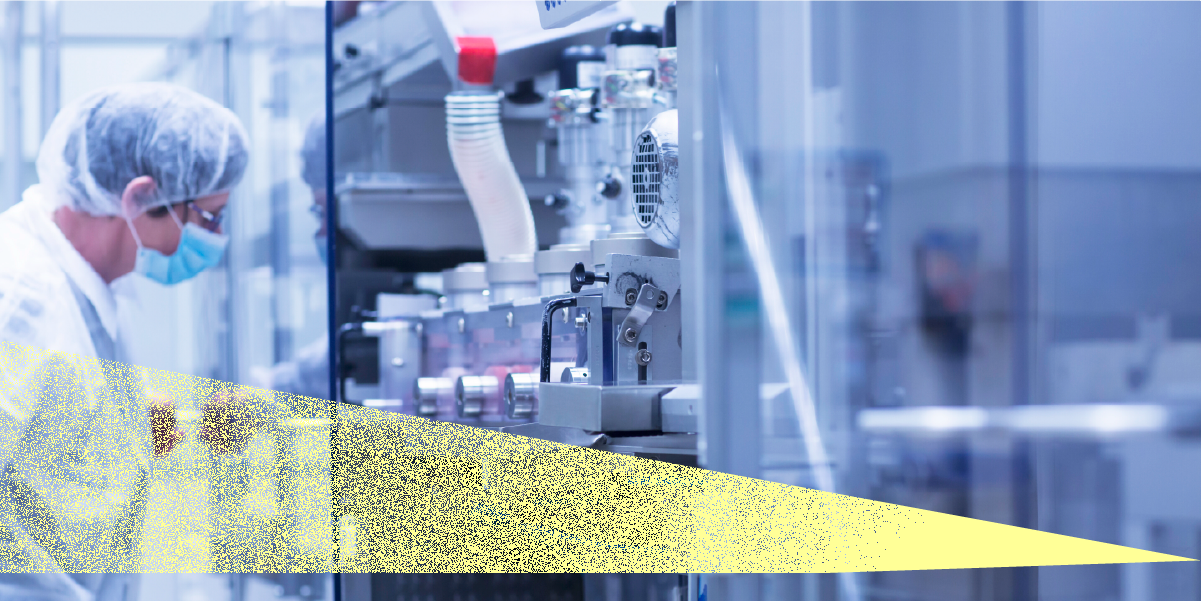
The evolution of the workforce, between departures and new recruits, is a reality for every manufacturing organisation. This phenomenon is cyclical and inevitable. To maintain the performance of the organisation, new talent must be supported from their very first day, with a structured approach and tools suited to the reality of the field.
The manufacturing sector faces rapid technological developments: new techniques, robotics, processes and regulation. To remain competitive, a manufacturing organisation must promote the transfer of up-to-date know-how to its teams. Concentrating investment in equipment is no longer enough: employees need active support for their skills development so that operational performance keeps pace with the transformations of the sector.
7 Steps for Effective Skills Transfer in Manufacturing
Mapping and Prioritising the Know-How to Be Transmitted
The first steps of effective skills transfer rest on a precise understanding of what teams already master and what they still need to acquire. This begins with active monitoring of process developments in the sector, to ensure that the practices and techniques transmitted are modern and aligned with operational realities.
The next step is to identify, analyse and map the competencies held by teams: their margins for progression, their areas for improvement and their individual and collective needs. At the same time, it is essential to identify the specific expertise and know-how that must be transmitted as a priority: those whose mastery is indispensable to operational continuity and the overall performance of the organisation. This mapping provides a factual and structured foundation for guiding all future training decisions.
Building Development Plans Tailored to Each Individual
From the skills map, it becomes possible to design personalised development plans for each employee: bespoke interactive training, tutoring, coaching or mentoring. Personalisation is a decisive factor here: a plan calibrated to real needs and the individual's pathway produces a far greater impact than a generic programme applied identically to all.
The AFEST approach (work-based training, Action de Formation En Situation de Travail) deserves a central place in these programmes. It is particularly well-suited to the manufacturing sector because it anchors training in operational reality: every skill acquired is immediately put into practice. The employee is confronted in real time with a concrete professional challenge from their role, whilst being supported by an expert. This approach guarantees solid, directly applicable skills development, grounded in the field.
Evaluating, Adjusting and Anticipating on an Ongoing Basis
A development plan does not stop at its implementation. Its effectiveness must be regularly evaluated: structured feedback and exchanges, observation of the evolution of individual and collective performance, manager feedback and a comparison of results before and after training. This data makes it possible to adjust programmes in real time and improve their relevance over time.
Anticipation is the final step, and one of the most strategic. One-to-one meetings and internal surveys conducted with managers make it possible to identify training needs before they become critical skills gaps. It is this logic of continuous improvement that guarantees the sustainability of the skills transfer programme.
Digital Tools in Service of Knowledge Transfer
A Skills-Tracking Tool to Structure the Approach
An AI-powered skills-tracking tool is a central lever for carrying out the steps of knowledge transfer in manufacturing. It identifies, collects and analyses data relating to employees' pathways and needs, and generates personalised action plans for developing each individual's competencies.
Flexible, customisable and accessible via an intuitive interface, the tool centralises all the information needed for effective knowledge transfer. Managers and L&D teams have a real-time overall view of each employee's progress, their development areas and their needs, without having to compile scattered data or wait for an annual review.
Adapting to Regulatory and Sector-Specific Requirements
One of the distinctive advantages of a digital skills-tracking tool is its capacity to adapt to the criteria and challenges specific to each sector. In manufacturing, where regulatory and safety requirements are particularly stringent, this represents a concrete operational advantage.
The tool makes it possible to adjust training programmes in line with the sector's technological and regulatory developments. In the food industry, for example, it facilitates verification that the applicable hygiene and health standards have been properly communicated, understood and applied by all frontline teams. Compliance becomes a tracked, traceable and documented objective rather than a constraint managed on a case-by-case basis.
The Benefits of a Knowledge Transfer Culture in Manufacturing
Integration, Engagement and the Recognition of Employees
Investing in knowledge transfer produces lasting effects on teams. New arrivals benefit from a more solid integration: trained in the techniques and practices in use, they also receive the tips and resources that mentoring and tutoring make possible to transmit, well beyond formal knowledge.
Established employees are invited to take an active role in their own skills and career development. This recognition of their know-how strengthens their engagement and improves their experience at work. An employee whose professional development is structured and valued invests more actively in collective performance.
Competitiveness, Compliance and Lasting Performance
From an organisational perspective, a culture of knowledge transfer makes it possible to keep the techniques practised in the field up to date, to guarantee compliance with the compliance and safety requirements of the manufacturing sector, and to remain in step with market developments. This is the condition for the organisation's competitiveness to endure, driven by teams whose skills progress at the pace of the sector's transformations.